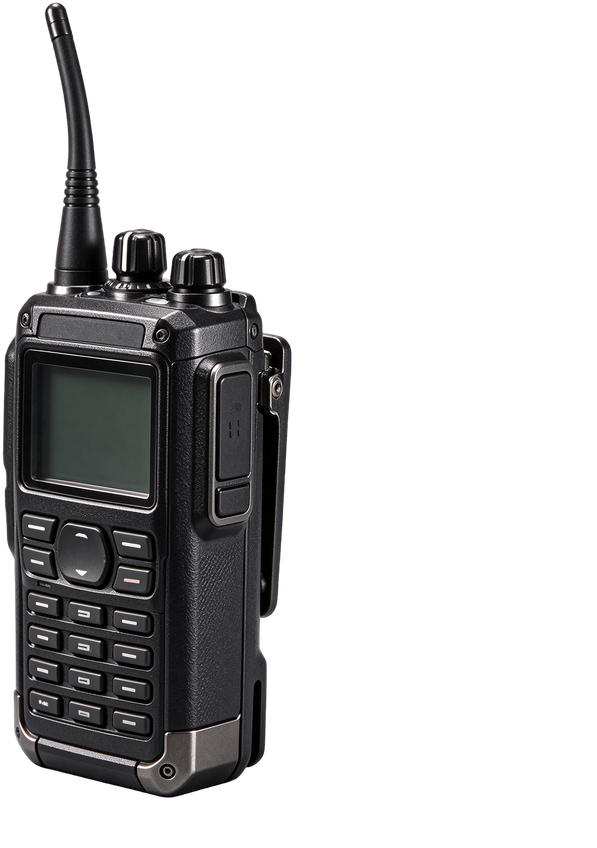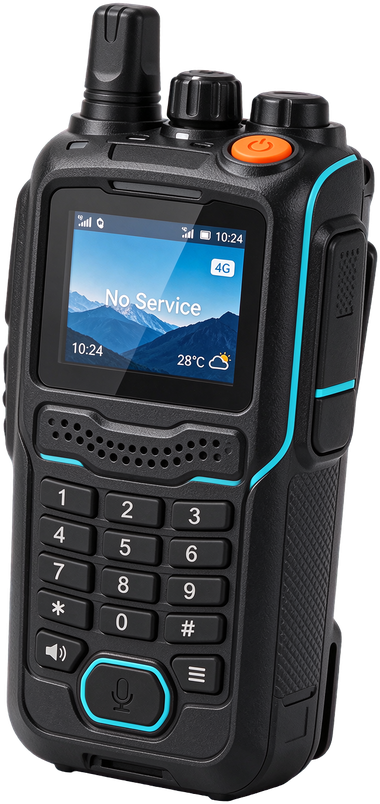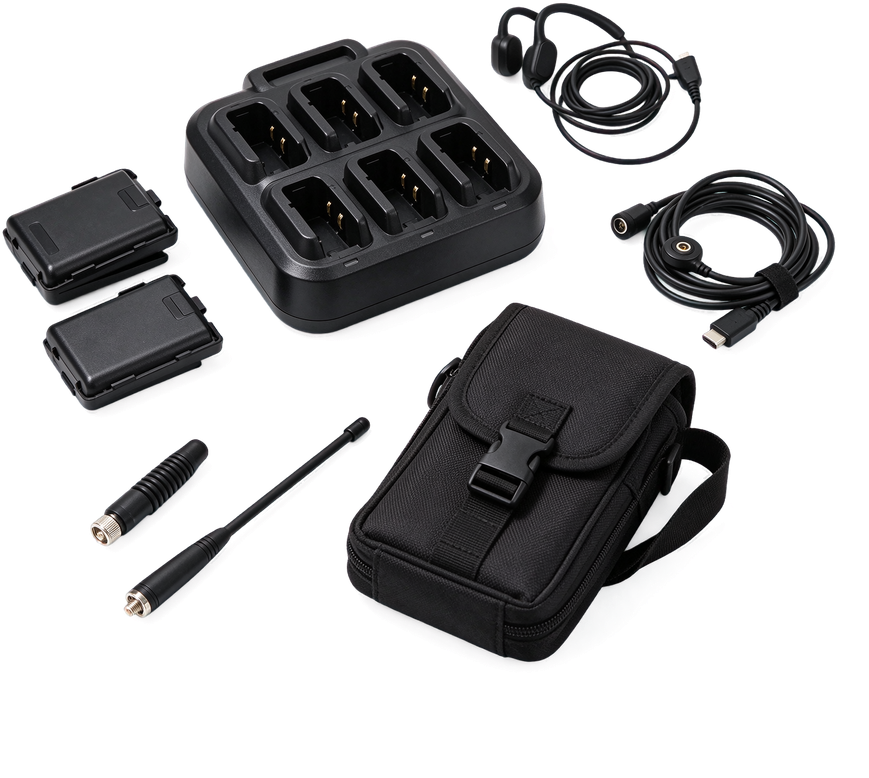
Most OEM radio projects fail for reasons that have nothing to do with the product: an MOQ that was never really agreed, a tooling cost that appeared late, or a certificate that turned out to belong to a different model. This is the checklist we walk buyers through before we quote.
1. Establish whether you are talking to a factory
Six questions, in this order, will usually settle it:
- Which models do you assemble in your own plant, and can I see the line on video?
- Who owns the housing tooling for that model?
- Can you send the RF calibration record for a specific serial number?
- What is your monthly output for this model, in units, last quarter?
- Which certification files are in your company's name, and for which models?
- If I change the housing colour, what is the real MOQ and lead time?
A trading company can answer the first two vaguely and will usually stall on calibration records and certificate ownership. A factory answers with documents, because it has them.
2. Understand the MOQ tiers
MOQ is not one number — it is a stack, and each layer adds cost:
| Change | Typical MOQ | What drives it |
|---|---|---|
| Neutral label / your sticker | 100 pcs | Packing labour only |
| Logo marking on existing housing | 300 pcs | Fixtures and setup time |
| Custom retail packaging | 500 pcs | Print run minimums |
| Custom firmware / boot logo | 500 pcs | Build and test cycle per variant |
| Colour or texture change, no new mould | 1,000 pcs | Material batch and colour matching |
| New housing tooling | 1,000 pcs + tooling | Mould cost, T1 samples, DFM iterations |
If a supplier quotes 50 pcs for a custom housing, either the change is cosmetic (a sticker, not a mould) or the MOQ will be renegotiated after you have paid the deposit.
3. Tooling: who owns what
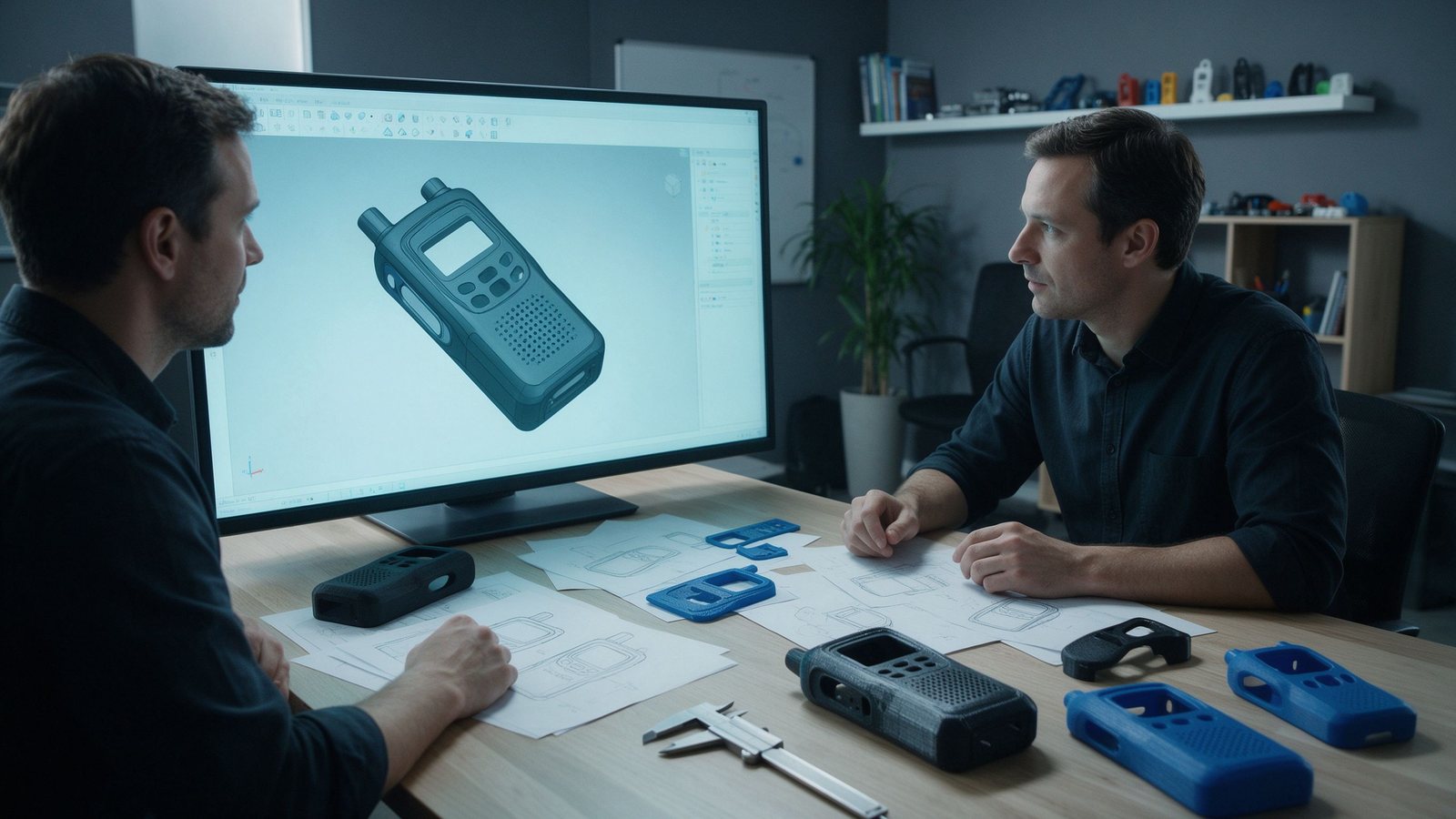
Pay for the tool explicitly, in the contract, and state that the mould belongs to you. Ask for a tooling receipt with the mould's location and its maintenance responsibility. The usual dispute is not theft — it is a supplier quietly amortising the same tool across three customers and then refusing to release it.
4. Certificates: scope beats quantity
A CE certificate is not a brand certificate. It lists a model, a manufacturer and a test report number. Check that the model designation on the certificate matches what you are buying, that the manufacturer is the company invoicing you, and that the standard referenced is current. For private label, ask in writing whether the certificate can be re-issued in your name and at whose cost.
- CE for the EU: RED applies to radio equipment; check the notified body where required.
- FCC for the US: Part 90 for licensed land mobile, Part 15 for unlicensed devices.
- RoHS / REACH: substance declarations, not a badge.
- UN38.3 + MSDS: required to ship lithium batteries by air — ask before booking freight.
5. Samples: budget for two rounds
The first sample proves the design. The second, pulled from the pilot run, proves the process. Skipping the second round is how a golden sample and a container end up different. Pay for both, and make acceptance criteria written: audio at 1 m in 75 dB noise, RF power within tolerance, cosmetic limits, packaging barcode scan.
6. Red flags worth walking away from
- Price quoted per unit without a stated MOQ, Incoterm or validity date.
- "Our certificate covers all models."
- No serial numbers, no test records, no batch traceability offered.
- A sample that arrives with a different PCB revision than the drawing.
- Payment terms demanding 100% before a pilot run you have not seen.
- No answer on spare parts availability five years out.
7. A workable schedule
From a clear brief to a container on the water, plan 8–12 weeks for a marking-and-packaging project, and 14–18 weeks if new tooling is involved. Anything quoted much faster usually means something is being reused without telling you.
We publish our own tiers (OEM/ODM page) and answer the six factory questions with documents. If you are comparing suppliers, send us your checklist and we will fill it in honestly — including the items where we are slower than a competitor.